A young and hungry Thunder vs. hot Pacers squad are going to duke it out to be league champs.
Meme culture would say it’s a free throw merchant/aura led Thunder vs. the Haliban led Pacers.
This match-up is going to be GREAT for basketball purists.
The arguably (and statistically) #1 defensive team in the league against one of the best offenses in the league since the playoffs started.
A lot evenly distributed scoring and a fast paced matchup = a lot of team (read: fundamental and efficient) basketball. This will be a great match up for kids to watch who are learning the game and how “play the right way”👴🏽.
But this is a problem for the league’s popularity and pockets?
It’s going to be great evenly distributed team basketball…who are also two small market teams.
Great basketball, bad for ratings (but not really.)
Ratings wise here’s the summary: the Oklahoma City and Indianapolis combined have 1.9M TV households, while New York alone has 7.6M (because eyeballs watching the games + ads = $$$).
So there will be fewer viewers watching this finals match up than if there was a Thunder vs Knicks match up? Yes.
Does this affect the NBA’s money? Not really.
The NBA’s TV deal is locked in with ESPN and ABC for the next 11 years at a whopping $76 billion (yes, with a “B”). Which means that the NBA gets this money from these platforms regardless of the finals match up .
It could be a Charlotte vs Sacramento match-up and it wouldn’t matter—the money is locked in.
The main thing that will be affected is how much businesses are willing to pay to advertise during the finals because the price for these ads spots are floating and not locked in. For reference, the average cost of a 30 second commercial in the 2018 NBA finals was 700k, so we’ll see how much this number changes this year.
So yes, there might be less people watching the Finals but the NBA’s money is relatively OK.
To me it’s a win overall. A multi billion dollar company takes a small hit in revenue and the fans get to watch good basketball, how it’s supposed to be played 👴🏽.
If you’re like me, you’ve been mentally wrestling with the idea of wanting to start a blog or social page. But in your head are thinking things like, “Who the hell will care? I’m late to the game.”
“Someone starting a social page or creating content creation in the big 25?? Yeah, why bother?”
“There are way too many social media pages, shows, and content that people are consuming. Why would anyone care about what I’m up to or what I post?” – My Skeptical Thoughts
Shoot, I’m fatigued with all of the content that exists out there.
After thinking about this some more though, I actually see some pretty good reasons why some should hop on a social platform as a creator. Even with how over saturated it can feel at times.
They Have Something That They Want To Say
This reason is probably the most straightforward of all my reasons.
Most of these people who know about the internet, Substack, Instagram, and Twitter (X)—especially X—and who have something to say are probably already on these apps and are posting away, telling the world or their two followers anything and everything that they think.
From the opinions on the Warriors game the other day (Steph’s 56 truly was incredible), to politics, to the sandwich that they ate for lunch. These people are posting everything—and maybe too much.
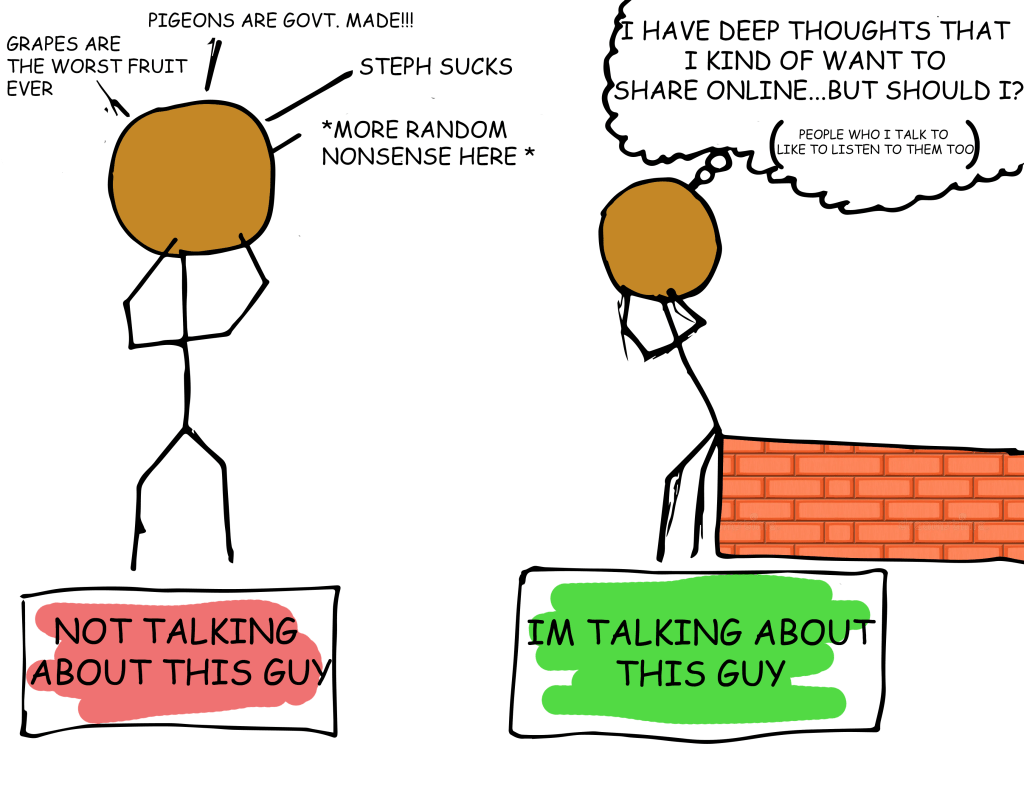
I’m not talking to those people; they already got it.
I’m talking to people who are on the fence about hopping online and who do have something to say.
They tell everyone around them in the real world what they think and have either funny, informed, or well-thought-out comments or opinions about topics.
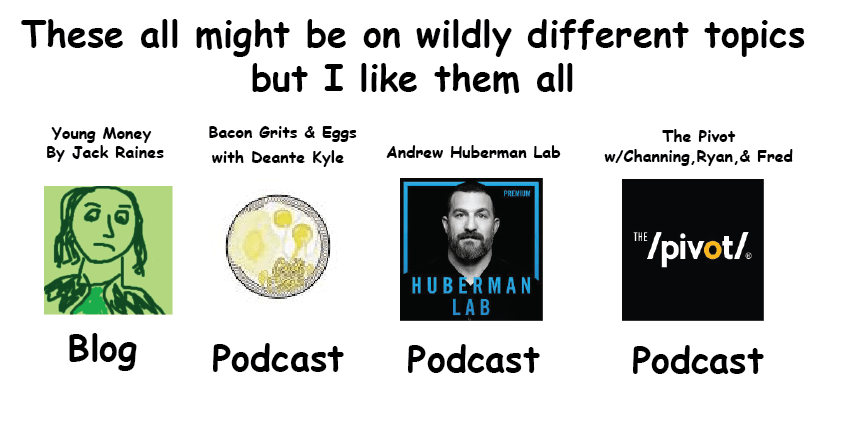
Think about writers and creators like Jack Raines, Deante Kyle, or even Andrew Huberman, who started the #1 health podcast in the world and makes over $1.5 million dollars a year to talk about his passion.
Having something to say is a great reason why someone should start posting (as long as it doesn’t actively harm others).
They Are Postingfor Intrinsic Reasons
See how I just wowed you with the amount of money Andrew Huberman made from his podcast?
Yeah, posting for intrinsic reasons is the complete opposite of that.
If there were no money involved, or if you made a fraction of what you thought you were going to make creating content, would you still do it?
And I get it. For obvious reasons, the path of making content looks sexy.
The fame, the lifestyle, the attention… then the money, ohhhh the money.
The dollar, the bones, dead presidents, the racks, the quid (shout out to my UK readers).
The top one percent of people who make content out there are making absolute BANK.
So who could blame someone for wanting to start a content page to get rich when Kai Cenat makes more money monthly than a yearly salary of seven surgeons combined?
BUT—there’s a pretty good chance that if you get into creating content solely for the money or attention, you might not be doing it for too long.
Yeah, you want to be a famous YouTuber or blogger, but what about all the months—and for some, years—where there’s not too much dough rolling in from the content and you have less than 1,000 views per blog post? (Me rn.)
Would you still want to keep going then? What’s going to drive you through this external reward desert?
It’s the intrinsic rewards.
Starting the blog page about movies because you love movies, making the YT video with your friends because it was damn fun to record a funny video with your friends, or reviewing restaurants because, yes, some of your friends might jokingly call you a big back, but you just really have a passion for food.
Intrinsic motivation = doing it because you enjoy it, rather than for external rewards.
And hey, you could do things for reasons that are both intrinsically and extrinsically motivated.
So at least if you didn’t end up on Oprah, ESPN, or get your own Netflix special, you would have still had fun or felt like you grew in the process.
They Want to Connect With Others Over a Passion or Hobby
Another great reason to start content creation is to be able to connect with others.
“…somebody is interested in everything, anything you can be interested in, you will find others will“—Alan Watts
If you’re into something niche like collecting Powerbands or SLAM magazines, there used to be a time where you used to have to go out and very intentionally find this community of people who also liked what you liked in the real world, if you ever found them at all.
Those days are no longer.
An Instagram page about the Knicks (no matter how delusional you might be), a Substack page about the analytics behind F1 Racing, or a post and profile on any other basically any other social app can connect from your home in San Bernardino, CA, and to someone in Nairobi, Kenya, who also likes F1 and the Knicks and grow a relationship with them.
Easier connections allow us to more easily create relationships. Shared interests and relationships can create communities.
Communities around passions or even social causes can foster happiness and even positive social change.
Plus, the longest study on happiness done at Harvard shows the biggest factor in people living happy lives is the number of meaningful relationships they have. So why not create some with the supercomputer that most of us have access to?
They Want to Help People
Lastly, this is my favorite.
I think that having a social presence is one of the most effective ways to positively change the lives of others.
Creating content on the Knicks and connecting with other Knick fans online, who you actually become friends with, can give you a feeling of comradery.
Starting a blog on climate change can make others more aware and informed about what is going on in the world.
Making independent films online can make someone feel heard or resonate with the story that you are telling.
Starting a content page for a business that helps others can increase the business’ awareness and therefore allow it to help even more people than it did before.
The point is that this thing called the internet can be used to create entertainment and content that connects with others or might help them in their lives. But someone has to make this content…
They’re some of the greatest of all time to play this game.
And they are also the top 3 richest NBA players to ever play the game of basketball.
Top NBA Net Worth List
Michael Jordan Net Worth – $3.5B
Magic Johnson Net Worth – $1.6B
Lebron James Net Worth – $1.2 B
So if we know the top 3, then who is the 4th?
4. ?????
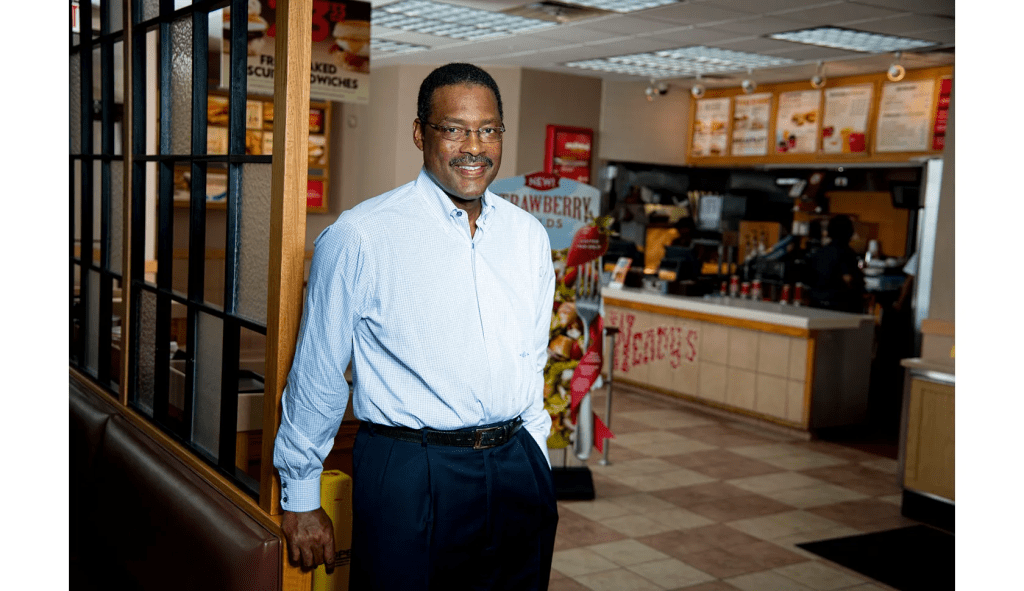
It’s Junior Bridgeman. This guy.
No, it’s not Shaq (though he has a net worth of over $400M and franchises over 17 Auntie Anne’s, 9 Papa Johns, and is on just about every commercial).
Its Junior Bridgeman with an estimated net worth of over $600M.
For perspective, if you were to spend $10,000 a day — and make no extra income for the rest of your life —the money would last you about 164 years.
Whois Junior Bridgeman?
Now you might be wondering who this is because—unless you really, really know your ball—you probably don’t have a clue.
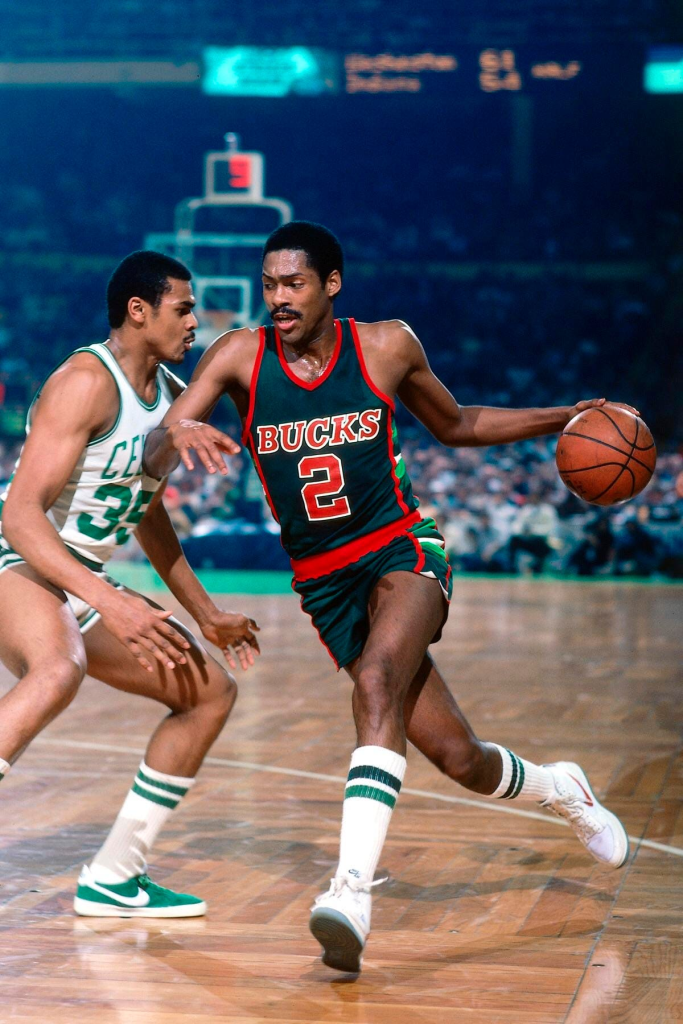
He played most of his career with the Milwaukee Bucks in the 70s and the 80s (his career spanned from 1975-1986), meaning that he played with Hall of Fame guys like Alex English and Sidney Moncrief.
Throughout his Bucks career, he almost exclusively came off the bench (played in 711 games, started in 105) but averaged 13.6 pts, 3.5 reb, and 2.6 ast. Which are good numbers for someone coming off of the bench and playing half of his career without a 3-point line.
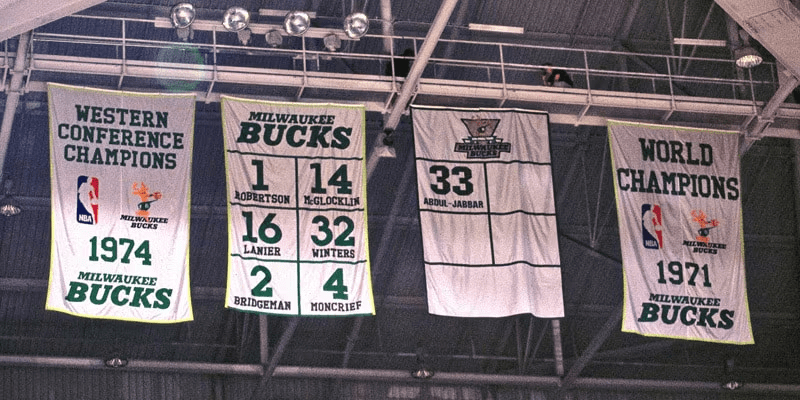
When his career was over, he got his #2 jersey retired by the Bucks.
Though he had a good career, in his 12 seasons he only made about $2.95M dollars total, which is 1.8% of what he is worth today after adjusting for inflation.
He wasn’t a celebrity in a whole bunch of adds for Icy Hot, Gold Bond, and the General Car Insurance. Nor did he have his own sneaker line while playing.
So how did he make all his money?
Wendy’s.
When the Wealth Really Started – Getting Buckets to Bagging Fries
Junior grossed most of his wealth outside basketball after he was done playing. However, the seed for his money tree was planted during his career.
During the off seasons of his playing days, Junior worked a multitude of different jobs (he also went law school for 4 summers but never obtained his degree). He knew that his playing days were numbered and he wanted to have income post career.
One of the jobs that he took was working at Wendy’s.
Of the different jobs he had, he said the main reason why he stuck with working at Wendy’s outside of basketball is “I figured I’d hire somebody to run it. I believed they could make money for me while Ifigured out what to do in life after basketball.”
He wanted to be a franchisee.
After he retired in 86′, he had a offer from the Milwaukee Bucks to be their assistant general manager for $50,000 a year, and as good as that sounded at the time, he wanted to test his abilities at entrepreneurship.
So he started up his ownership with a few Wendy’s stores as a franchisee.
Unfortunately in this time period, most black franchisees were given franchises in lower economic areas. Thus, making these chains tougher to manage and eventually turn a profit.
For reference, the percentage franchisees in the US today who are black is about 3%. So as you can imagine, that number was much lower in the late 80’s
Junior focused on making the Wendy’s that he owned as good as they could possibly be, but made it an emphasis to focus on the community that they served.
In the early days he had 5 Wendy’s in the inner city of Milwaukee.
At the time Milwaukee had a law that if you received a traffic violation, you were taken straight to jail. No warning, no fine, no ticket — straight to jail.
Most of the people who taken to jail in the inner city were —you guessed it — minorities, and Junior and his Wendy’s took the initiative to bail them out.
This one of the many ways that Junior aided the community in which his Wendy’s operated.
He wanted to show the people that he and his Wendy’s stores cared about the community. So with good management of his Wendy’s, and showing the community that he cared, the amount of stores that he owned grew and grew.
Junior would eventually own over 500 Wendy’s restaurants, becoming the largest Wendy’s franchisee ever.
This how he generated the vast majority of his wealth that he has today.
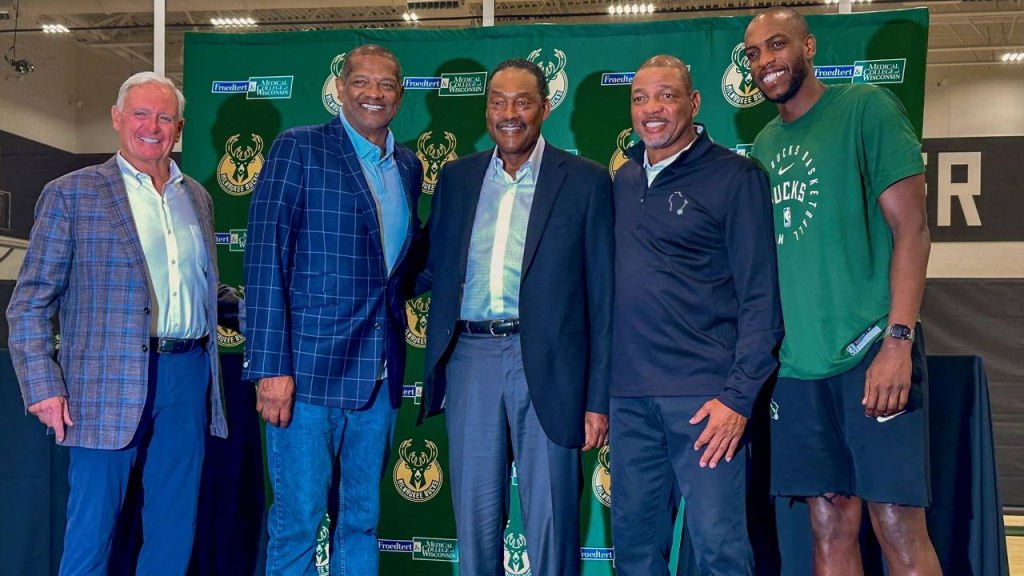
Which he has used to purchase a minority share in the Milwaukee Bucks franchise as of Sept 24th, 2024.


 Someideasandgame