MJ…Lebron…Magic.
What do they all have in common?
They’re some of the greatest of all time to play this game.
And they are also the top 3 richest NBA players to ever play the game of basketball.
Top NBA Net Worth List
- Michael Jordan Net Worth – $3.5B
- Magic Johnson Net Worth – $1.6B
- Lebron James Net Worth – $1.2 B
So if we know the top 3, then who is the 4th?
4. ?????
It’s Junior Bridgeman. This guy.
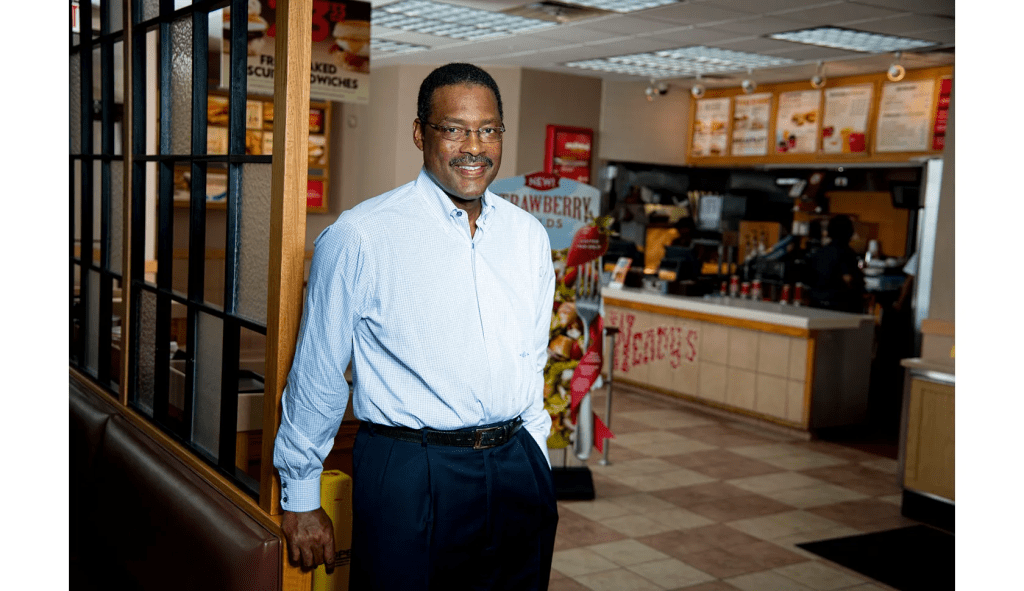
No, it’s not Shaq (though he has a net worth of over $400M and franchises over 17 Auntie Anne’s, 9 Papa Johns, and is on just about every commercial).
Its Junior Bridgeman with an estimated net worth of over $600M.
For perspective, if you were to spend $10,000 a day — and make no extra income for the rest of your life — the money would last you about 164 years.
Who is Junior Bridgeman?
Now you might be wondering who this is because—unless you really, really know your ball—you probably don’t have a clue.
He played most of his career with the Milwaukee Bucks in the 70s and the 80s (his career spanned from 1975-1986), meaning that he played with Hall of Fame guys like Alex English and Sidney Moncrief.
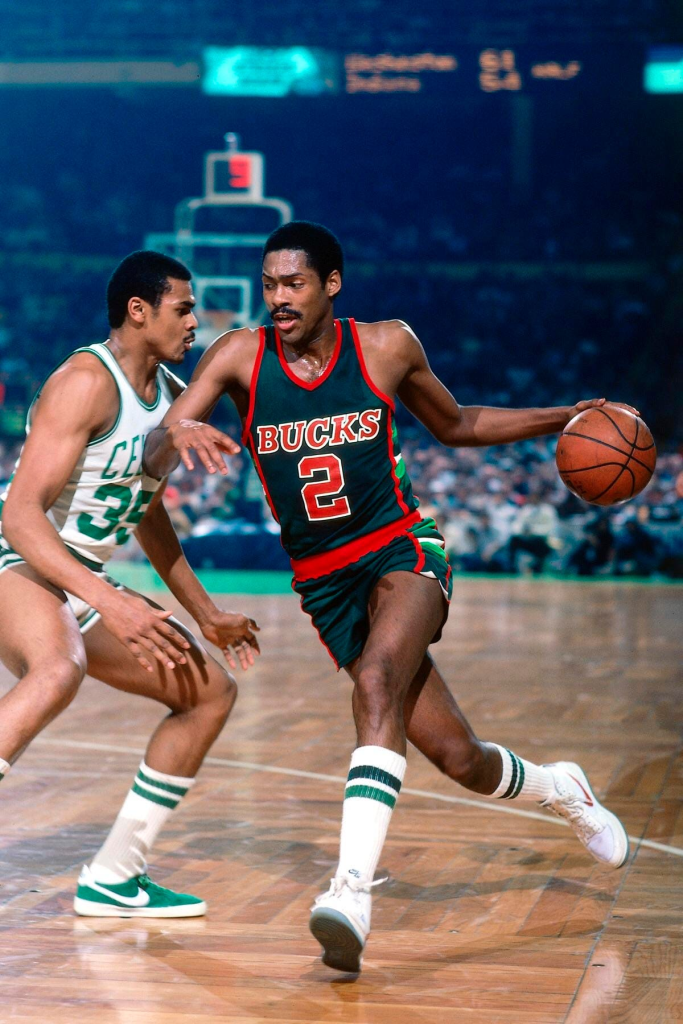
Throughout his Bucks career, he almost exclusively came off the bench (played in 711 games, started in 105) but averaged 13.6 pts, 3.5 reb, and 2.6 ast. Which are good numbers for someone coming off of the bench and playing half of his career without a 3-point line.
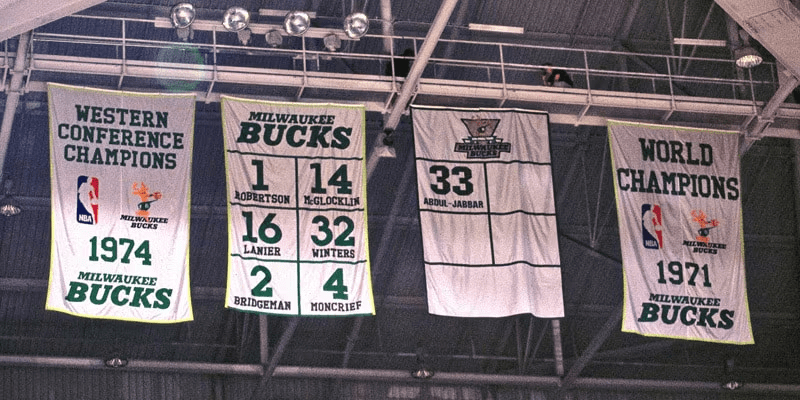
When his career was over, he got his #2 jersey retired by the Bucks.
Though he had a good career, in his 12 seasons he only made about $2.95M dollars total, which is 1.8% of what he is worth today after adjusting for inflation.
He wasn’t a celebrity in a whole bunch of adds for Icy Hot, Gold Bond, and the General Car Insurance. Nor did he have his own sneaker line while playing.
So how did he make all his money?
Wendy’s.
When the Wealth Really Started – Getting Buckets to Bagging Fries
Junior grossed most of his wealth outside basketball after he was done playing. However, the seed for his money tree was planted during his career.
During the off seasons of his playing days, Junior worked a multitude of different jobs (he also went law school for 4 summers but never obtained his degree). He knew that his playing days were numbered and he wanted to have income post career.
One of the jobs that he took was working at Wendy’s.

Of the different jobs he had, he said the main reason why he stuck with working at Wendy’s outside of basketball is “I figured I’d hire somebody to run it. I believed they could make money for me while Ifigured out what to do in life after basketball.”
He wanted to be a franchisee.
After he retired in 86′, he had a offer from the Milwaukee Bucks to be their assistant general manager for $50,000 a year, and as good as that sounded at the time, he wanted to test his abilities at entrepreneurship.
So he started up his ownership with a few Wendy’s stores as a franchisee.
Unfortunately in this time period, most black franchisees were given franchises in lower economic areas. Thus, making these chains tougher to manage and eventually turn a profit.
For reference, the percentage franchisees in the US today who are black is about 3%. So as you can imagine, that number was much lower in the late 80’s
Junior focused on making the Wendy’s that he owned as good as they could possibly be, but made it an emphasis to focus on the community that they served.
In the early days he had 5 Wendy’s in the inner city of Milwaukee.
At the time Milwaukee had a law that if you received a traffic violation, you were taken straight to jail. No warning, no fine, no ticket — straight to jail.
Most of the people who taken to jail in the inner city were —you guessed it — minorities, and Junior and his Wendy’s took the initiative to bail them out.
This one of the many ways that Junior aided the community in which his Wendy’s operated.
He wanted to show the people that he and his Wendy’s stores cared about the community. So with good management of his Wendy’s, and showing the community that he cared, the amount of stores that he owned grew and grew.
Junior would eventually own over 500 Wendy’s restaurants, becoming the largest Wendy’s franchisee ever.
This how he generated the vast majority of his wealth that he has today.
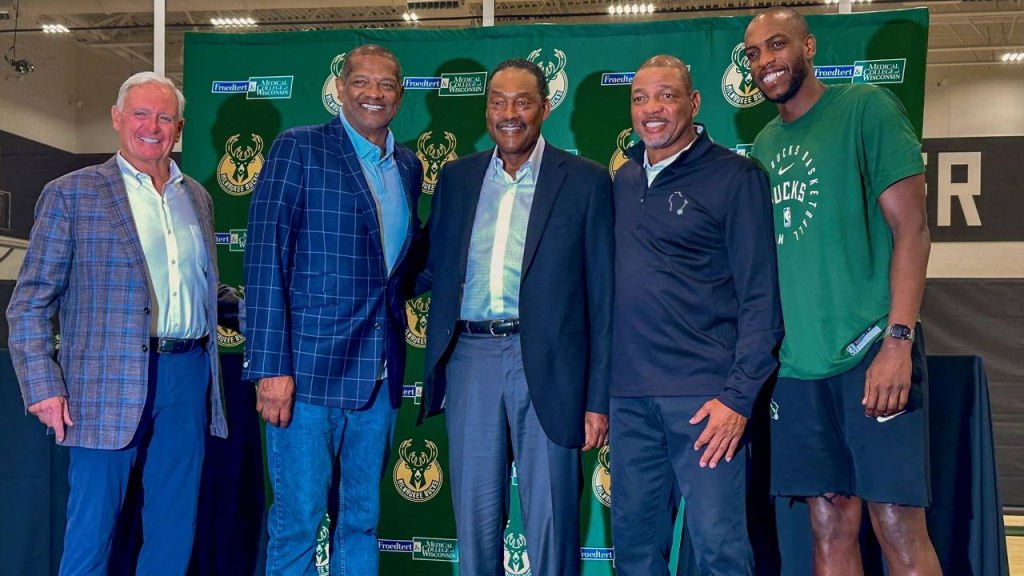
Which he has used to purchase a minority share in the Milwaukee Bucks franchise as of Sept 24th, 2024.
 Someideasandgame